How Professional Social Media Management Saves Time for Businesses
Not every platform fits every business. Learn how to choose the right social media platform based on your audience, content, and goals—not just trends.
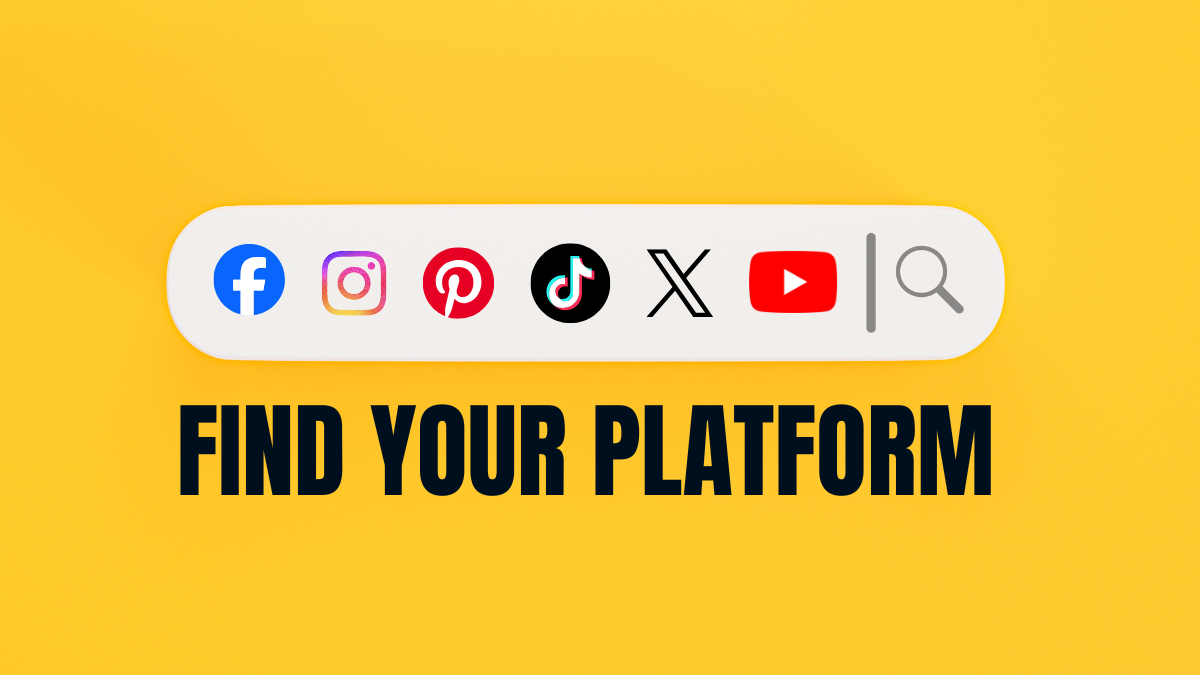
Here’s a question I hear all the time: “Which social media platform should my business be on?” And honestly? It’s one of the most important decisions you’ll make for your marketing strategy.
The truth is, not every platform is right for every business. Trying to be everywhere at once is a recipe for burnout and mediocre results. It’s way better to be excellent on one or two platforms than stretched thin across five.
So let’s figure out which platform is the right fit for your business. I’ll walk you through exactly what to consider and how to make a smart choice that actually helps you grow.
This is the biggest mistake businesses make: choosing a platform because they personally like it, not because their customers are there.
Your favorite platform doesn’t matter. What matters is where your target customers are spending their time. If you’re selling to teenagers, you need to be on TikTok and Instagram, even if you’ve never used them. If you’re targeting business professionals, LinkedIn might be your best bet, even if you find it boring.
Ask yourself: Who am I trying to reach? What age group? What interests? What’s their lifestyle like? Then research where those people hang out online.
Let me give you a quick rundown of who’s where:
Facebook has the broadest age range, but it skews older now. It’s great for reaching people 30 and up, especially in local communities. If your business serves a local area or targets parents and homeowners, Facebook is still powerful.
Instagram is visual and trendy, popular with millennials and Gen Z. It’s perfect for lifestyle brands, fashion, food, fitness, travel, and anything that looks good in photos. If your business is visually appealing, Instagram should be on your radar.
TikTok is where Gen Z lives, but millennials are flooding in too. It’s all about short, entertaining videos. If you can be creative, fun, or educational in video format, TikTok offers incredible reach, especially for reaching younger audiences.
LinkedIn is the professional network. If you’re B2B, selling professional services, or targeting decision-makers and executives, LinkedIn is where you need to be. It’s not for selling T-shirts, but it’s perfect for selling software or consulting services.
Twitter (X) is fast-paced and news-focused. It’s good for brands that want to join conversations, share quick updates, or engage in real-time discussions. Tech companies, media outlets, and brands with a strong voice do well here.
Pinterest is a visual discovery platform where people plan and dream. It’s huge for DIY, recipes, home decor, wedding planning, fashion inspiration, and crafts. If people search for ideas related to what you sell, Pinterest can drive serious traffic.
YouTube is the second-largest search engine after Google. If you can create video content that teaches, entertains, or solves problems, YouTube builds long-term value. It works for almost any industry if you’re willing to invest in video.
Here’s a reality check: the best platform for you is one where you can actually create content consistently.
If you hate being on camera, TikTok and YouTube might not be your best starting points. If you’re not a great writer, Twitter might be a struggle. If you don’t have visually appealing products or can’t create good images, Instagram might frustrate you.
Think about what content creation feels natural to you or your team:
You need to be realistic about what you can maintain. One excellent post per week beats seven mediocre posts spread across multiple platforms.
Different types of businesses naturally fit different platforms.
E-commerce and Product-Based Businesses: Instagram, Pinterest, and TikTok are goldmines. People discover products visually on these platforms. Facebook Marketplace and Instagram Shopping also make it easy to sell directly.
Local Businesses: Facebook is still king for local. People search for local businesses on Facebook, join community groups, and check business pages for hours and reviews. Google Business Profile matters too, but for social media, start with Facebook.
B2B Companies: LinkedIn is non-negotiable. It’s where decision-makers are, where professional content performs, and where business relationships are built. Twitter can work too for thought leadership.
Service-Based Businesses: This depends on your specific service. Coaches and consultants often do well on Instagram and LinkedIn. Plumbers and electricians might focus on Facebook and Google. Creative services like photography or design need visual platforms like Instagram.
Restaurants and Food: Instagram is essential. People eat with their eyes first. TikTok is also becoming huge for restaurants, especially for showing behind-the-scenes content or menu items going viral.
Content Creators and Educators: YouTube for long-form, TikTok for short-form, and Instagram for community building. LinkedIn works if you’re in professional development.
What are you actually trying to accomplish with social media?
Brand awareness: Instagram, TikTok, and YouTube are great for reaching new people and building recognition.
Community building: Facebook groups and Instagram both foster community well. Discord too, if you’re in gaming or tech.
Driving traffic to your website: Pinterest is incredible for this. LinkedIn articles and Twitter can also drive quality traffic.
Direct sales: Instagram and Facebook with their shopping features. TikTok Shop is also growing fast.
Lead generation: LinkedIn is king for B2B leads. Facebook ads work well for local service businesses.
Customer service: Twitter and Facebook are where people often reach out with questions or complaints.
Match the platform’s strengths to your primary goal.
Check out where your competitors are active and successful. Don’t just copy them, but learn from what’s working.
If all your competitors are crushing it on Instagram and you’re nowhere to be found, that’s a sign. If they’re all on LinkedIn sharing thought leadership and getting engagement, that tells you something about where your audience is.
But also look for gaps. If everyone’s on Instagram but nobody’s on TikTok, that might be an opportunity to reach the same audience with less competition.
Be honest about your time, team, and budget.
Some platforms require more resources than others. YouTube videos take more time to produce than Instagram photos. TikTok demands constant creativity and trend awareness. LinkedIn requires thoughtful, professional content.
If you’re a solo entrepreneur juggling everything, you might need to start with just one platform and do it really well. If you have a team, you can potentially manage two or three.
Also consider paid advertising budget. Some platforms have cheaper ad costs than others, and some industries see better ROI on specific platforms.
Here’s the thing: you won’t know for sure until you try. The good news is you can test without committing forever.
Pick one or two platforms that seem like the best fit based on everything above. Commit to posting consistently for three months. Track your results—engagement, followers, website clicks, leads, whatever matters to your business.
After three months, evaluate. Is it working? Are you reaching the right people? Are you seeing business results? Is it sustainable for you to keep creating content?
If yes, keep going and maybe add another platform. If no, pivot to a different platform and test again.
This is so important to remember: you don’t need to be on every platform. In fact, being on too many platforms usually means you’re doing a mediocre job everywhere instead of an excellent job somewhere.
The most successful businesses on social media often focus on one or two platforms where they really shine. They know their audience is there, they create content suited to that platform, and they engage consistently.
It’s better to have 5,000 engaged followers on one platform than 1,000 scattered, unengaged followers across five platforms.
A few warnings about choosing platforms:
Don’t choose a platform just because it’s trendy. If your 60-year-old B2B customers aren’t on TikTok, you being there won’t change that.
Don’t spread yourself too thin at the start. Master one platform before adding another.
Don’t ignore where your audience actually is just because you’re uncomfortable with that type of content. If your customers are on video platforms but you hate video, you might need to get over that discomfort or hire help.
Don’t choose a platform solely because it’s easy for you if your customers aren’t there. Easy but ineffective is still ineffective.
Here’s how to actually choose:
Remember, you can always add more platforms later. But starting with a focused approach will get you better results faster than trying to do everything at once.
The right social media platform for your business is where your customers are, where you can create good content consistently, and where your business type naturally fits.
There’s no universal answer. A local bakery and a B2B software company need completely different strategies. And that’s okay.
Start smart, stay consistent, and don’t be afraid to pivot if something isn’t working. Social media success isn’t about being everywhere—it’s about being in the right place, saying the right things, to the right people.
Choose wisely, commit fully, and give it time to work. That’s how you win at social media marketing.
Let's Talk
Have questions about your digital strategy? Want to explore how we can help you grow? Let’s chat. No pressure, no hard sell, just honest conversation about your goals.
Your partner in social media, paid ads, and SEO strategies that fuel growth.
+8801905495575
info@flockflare.com
Mohammadpur-1207
© Copyright 2026 Flock Flare | All Rights Reserved.