Difference Between Boosting Posts vs Running Ads Manager Campaigns
97% of website visitors leave without buying. Learn how retargeting ads bring them back, why they work so well, and how to set up campaigns that convert.
Here’s a frustrating reality: most people who visit your website don’t buy. They browse, they look around, maybe they even add something to their cart, and then… they leave. Gone. Just like that.
In fact, the average website converts only about 2-3% of visitors. That means 97-98% of the people who come to your site leave without buying, signing up, or doing whatever you wanted them to do.
But here’s the thing: just because they left doesn’t mean they’re gone forever. This is where retargeting ads come in—and they’re one of the most powerful tools you have for turning those lost visitors into customers.
Let me show you exactly how retargeting works and why it’s so effective at bringing people back.
Retargeting (also called remarketing) is a way to show ads to people who’ve already interacted with your business but didn’t convert.
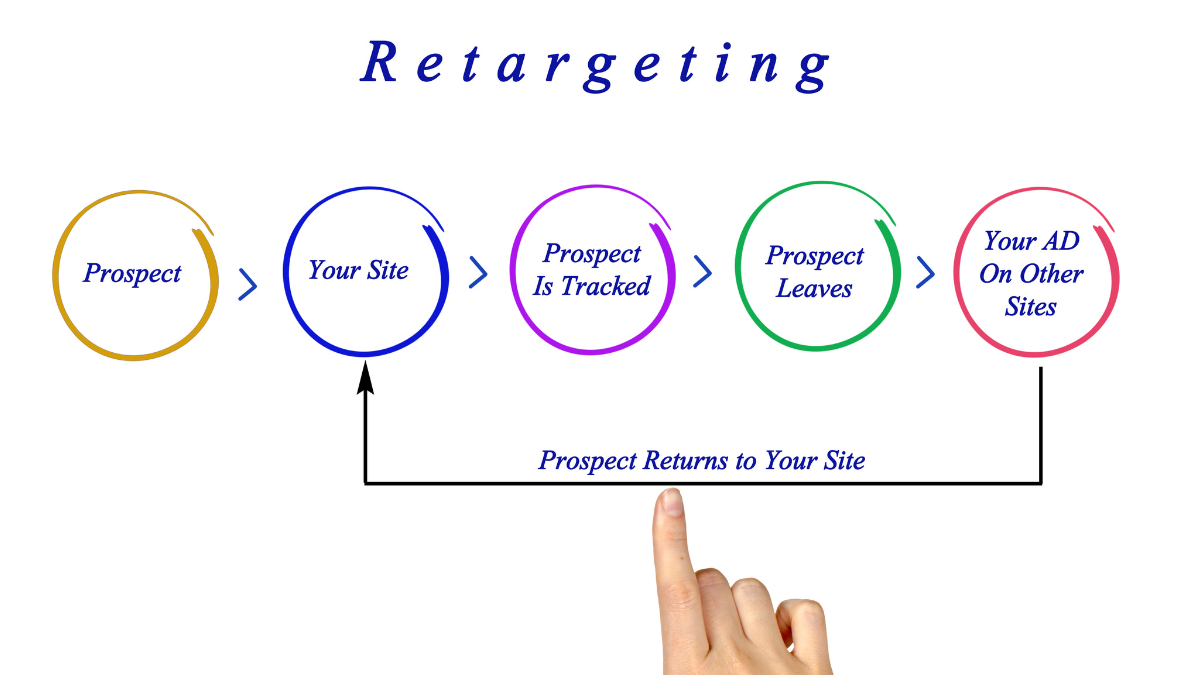
Someone visits your website, checks out a product, and leaves. Later that day, they’re scrolling through Facebook or Instagram, and boom—there’s an ad from your business showing them the exact product they were looking at.
Or maybe they added items to their cart but abandoned it before checkout. The next day, they see an ad reminding them about those items, maybe with a discount code to sweeten the deal.
That’s retargeting. You’re putting your business back in front of people who already showed interest but didn’t take action the first time.
Understanding why people leave is key to understanding why retargeting works so well.
Most people don’t buy on their first visit because:
Notice that most of these reasons aren’t “no, I definitely don’t want this.” They’re “not right now” or “let me think about it.”
Retargeting works because it brings your business back to mind when the timing might be better. The person who was just browsing yesterday might be ready to buy today. The person who got distracted can now complete their purchase. The person who forgot about you is reminded that they were interested.
There are several psychological principles that make retargeting incredibly effective:
Familiarity breeds trust. Every time someone sees your brand, they become more familiar with it. Familiarity builds trust, and trust drives purchases. That’s why people are more likely to buy from a brand they’ve seen multiple times than one they’ve only encountered once.
The mere exposure effect. Psychology research shows that people develop preferences for things simply because they’re familiar with them. The more someone sees your brand and products, the more positively they feel about them—even if they don’t consciously realize it.
Reminder effect. Life is busy and attention spans are short. People genuinely forget about products they were interested in. Retargeting serves as a gentle reminder: “Hey, remember you were looking at this?”
Multiple touchpoints. Marketing research consistently shows that people need multiple exposures to a brand before they buy. Some studies suggest it takes 7-13 touchpoints before someone converts. Your first website visit might be touchpoint number three. Retargeting provides touchpoints four, five, and six.
You don’t need to be a tech expert to use retargeting, but understanding the basics helps.
It works through tracking pixels—small pieces of code you install on your website. When someone visits your site, the pixel drops a cookie in their browser.
This cookie tells ad platforms like Facebook, Google, and others that this person visited your site. Now when they use those platforms, you can show them your ads.
You can get very specific with retargeting:
The more specific you are, the more relevant your ads can be.
Different situations call for different retargeting strategies:
Site visitor retargeting: Show ads to anyone who visited your website. This is broad retargeting and works for building general awareness and bringing people back.
Page-specific retargeting: Someone looked at a specific product or category? Show them ads featuring exactly what they were interested in. If they browsed running shoes, show them running shoe ads, not your whole catalog.
Cart abandonment retargeting: This is gold. Someone added products to cart but didn’t complete purchase. Show them exactly what they left behind, maybe with an incentive to complete the purchase.
Time-based retargeting: Adjust your messaging based on how long ago someone visited. Someone who visited yesterday gets different messaging than someone who visited a month ago.
Cross-sell retargeting: Someone bought from you? Great! Now show them ads for complementary products they might also need.
Engagement retargeting: People who watched your videos, engaged with your social posts, or interacted with your content but haven’t visited your site yet can be retargeted to take the next step.
Not all retargeting ads are created equal. Here’s what works:
Be specific and relevant. If someone looked at blue sneakers, show them blue sneakers, not your generic brand ad. Relevance dramatically improves performance.
Acknowledge the relationship. Your ad copy can reference that they’ve visited before. “Still thinking about it?” or “You left these items behind” works better than treating them like a stranger.
Offer incentives strategically. For cart abandoners or people who visited multiple times, a discount code or free shipping might be the push they need. But don’t train people to always wait for a discount—use incentives selectively.
Create urgency without being pushy. “Limited stock remaining” or “Sale ends soon” can motivate action without being aggressive.
Use social proof. Testimonials, reviews, or “X people bought this today” can build confidence for people who are on the fence.
Keep it fresh. Don’t show the same ad to someone 47 times. Rotate your creative so people don’t get ad fatigue and start ignoring you.
Retargeting is powerful, but it’s easy to mess up:
Over-retargeting. Showing the same person your ad 20 times a day is annoying, not helpful. Set frequency caps—maybe 3-5 times per week maximum.
Retargeting people who already bought. Once someone converts, exclude them from the campaign (unless you’re cross-selling). Showing someone ads for something they just purchased is wasteful and looks sloppy.
Using generic ads. If you’re going to retarget, make it relevant. Generic brand awareness ads waste the advantage of knowing exactly what someone was interested in.
Too short or too long windows. Retarget too quickly (within hours) and you seem desperate. Wait too long (months) and they’ve forgotten about you. Most products work well with a 7-30 day retargeting window.
Ignoring mobile. Most browsing happens on mobile, but many people prefer to buy on desktop. Make sure your retargeting reaches people across devices.
Not testing. Different offers, different ad creative, different timing—test to find what brings people back most effectively.
Retargeting typically delivers better ROI than almost any other type of advertising. Here’s why:
Lower costs. Because you’re targeting people who already know your brand, retargeting ads typically have higher engagement rates and lower costs per click than cold traffic ads.
Higher conversion rates. These people already showed interest. They’re much more likely to convert than someone who’s never heard of you. Conversion rates for retargeting can be 2-10x higher than cold traffic.
Better use of existing traffic. You already paid to get people to your website through SEO, content marketing, or other ads. Retargeting helps you maximize the value of that traffic instead of letting it disappear forever.
Compounding value. The same traffic can generate multiple conversions over time as you retarget different segments with different offers.
Ready to get started? Here’s the simple path:
Once you’ve mastered the basics, try these:
Sequential messaging. Show different ads based on how many times someone has seen your previous ads. First ad builds awareness, second ad addresses objections, third ad offers an incentive.
Dynamic product ads. Automatically show people the exact products they viewed without manually creating ads for each item. Platforms like Facebook and Google can do this automatically.
Retarget email subscribers. People on your email list but who haven’t visited lately? Retarget them to bring them back.
Competitive conquest retargeting. Show ads to people who visited competitor websites. This is advanced and requires working with specialized retargeting platforms.
Video retargeting. Show video ads to people who visited your site to build stronger connection and trust.
Most of your website visitors leave without converting. That’s not failure—that’s normal. The failure is letting them disappear forever without trying to bring them back.
Retargeting is your second chance (and third, and fourth) to convert people who already showed interest in your business. These aren’t cold prospects—they’re warm leads who just need a reminder, a nudge, or the right timing.
The people who see your retargeting ads are already familiar with your brand. They’ve visited your site. They’ve looked at your products. They’re infinitely more valuable than cold traffic who’s never heard of you.
Don’t let 97% of your traffic vanish into thin air. Set up retargeting, bring them back, and convert them into customers. It’s one of the highest ROI marketing activities you can do.
Your lost customers aren’t lost forever—they’re just waiting for you to remind them why they were interested in the first place. Retargeting gives you that opportunity. Use it.
Let's Talk
Have questions about your digital strategy? Want to explore how we can help you grow? Let’s chat. No pressure, no hard sell, just honest conversation about your goals.

Your partner in social media, paid ads, and SEO strategies that fuel growth.
+8801905495575
info@flockflare.com
Mohammadpur-1207
© Copyright 2026 Flock Flare | All Rights Reserved.