How Personal Branding Helps Business Owners Grow Faster
Learn how Facebook ads actually work from targeting to bidding to tracking results. Simple explanations, no confusing jargon, perfect for beginners.
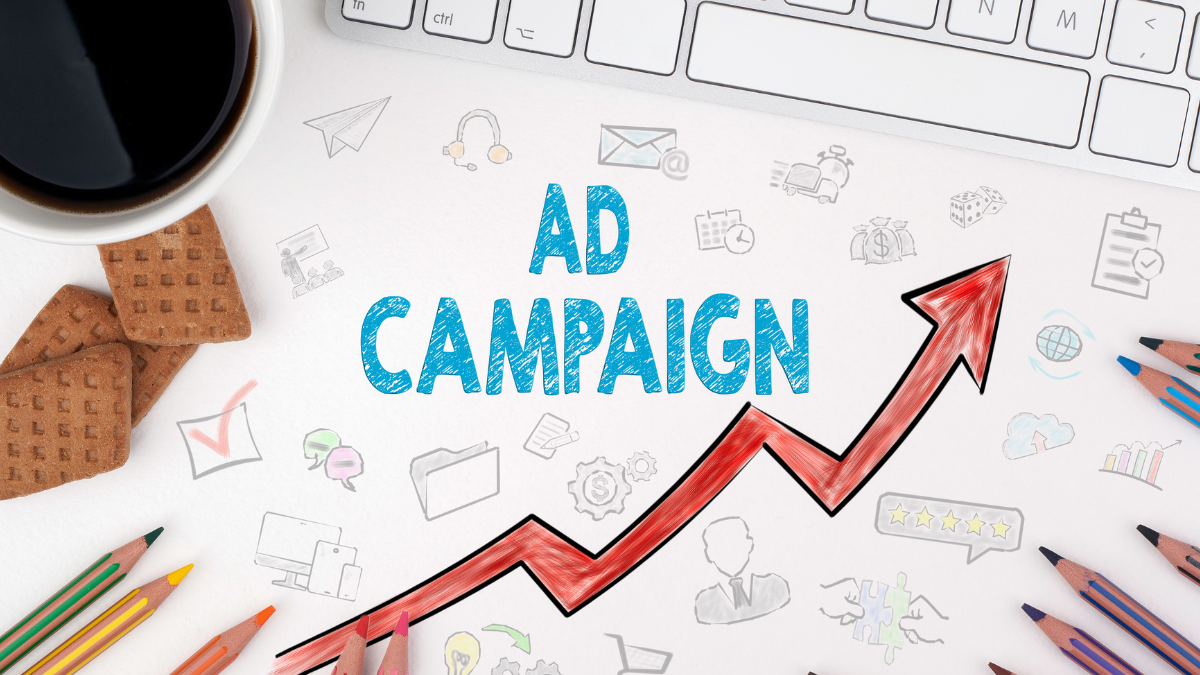
Facebook ads can feel overwhelming if you’ve never run them before. The ad manager looks complicated, there’s a ton of jargon, and you’re not quite sure where your money is going or why certain people see your ads.
But here’s the thing: Facebook ads aren’t actually that complicated once you understand the basics. And they’re one of the most powerful marketing tools available to businesses of any size.
Let me break down exactly how Facebook ads work in simple, plain English so you can understand what’s happening behind the scenes and how to use them effectively.
At its core, Facebook ads are simple: you pay Facebook to show your content to people who don’t already follow you.
Think of it like this: normally, only your followers and their friends might see your posts organically. With ads, you can show your content to anyone on Facebook and Instagram who fits the criteria you choose, whether they know about your business or not.
You’re basically renting space in people’s feeds. You decide who sees it, what it says, and how much you’ll pay. Facebook handles the delivery.
This is where it gets interesting. You don’t just blast your ad to everyone on Facebook—that would be expensive and ineffective. Instead, you tell Facebook who your ideal customer is, and they show your ad to those people.
You can target people based on:
Demographics: Age, gender, location, language, education level, job title, relationship status, and more.
Interests: What pages they like, what topics they engage with, what hobbies they have. Want to reach people interested in yoga? Cooking? Real estate investing? You can do that.
Behaviors: Their purchase behavior, device usage, travel patterns, and other activities Facebook tracks.
Custom audiences: People who’ve already interacted with your business—visited your website, engaged with your content, or are on your email list.
Facebook takes all this targeting information and shows your ad to people who match your criteria. The more specific you are, the more relevant your ad is to the people who see it.
Here’s something most people don’t understand: Facebook doesn’t just show ads to whoever you target automatically. There’s an auction happening every single time someone scrolls through their feed.
Multiple advertisers are competing to show ads to the same people. Facebook has to decide which ad to show. They do this through an auction, but it’s not just about who pays the most.
Facebook considers three things:
Your bid: How much you’re willing to pay.
Ad quality and relevance: How good Facebook thinks your ad is and how relevant it is to the person seeing it.
Estimated action rate: How likely Facebook thinks the person is to take the action you want (click, purchase, etc.).
Facebook multiplies these factors together to create what they call “total value.” The ad with the highest total value wins the auction and gets shown.
This means you can actually win auctions against competitors who bid more than you if your ad is better quality and more relevant. It’s not just about spending the most money.
You don’t pay a flat rate for Facebook ads. Instead, you pay based on results, and you have options for how you want to be charged:
CPC (Cost Per Click): You pay when someone clicks on your ad. If 1,000 people see your ad but nobody clicks, you pay nothing.
CPM (Cost Per 1,000 Impressions): You pay for every 1,000 times your ad is shown, whether people click or not.
CPA (Cost Per Action): You pay when someone takes a specific action, like making a purchase or signing up for your email list.
The cost varies wildly depending on your industry, target audience, ad quality, and competition. Some clicks cost 50 cents, others cost $5 or more. Facebook will show you estimated costs before you launch your campaign.
Facebook organizes ads in a three-level structure. Understanding this is crucial:
Campaign level: This is where you choose your objective—what you want to accomplish. Do you want website traffic? Sales? Video views? Brand awareness? Your objective tells Facebook what you’re trying to achieve so they can optimize accordingly.
Ad Set level: This is where you define your audience, budget, schedule, and placement. Who should see your ad? How much will you spend per day? Where should the ad appear (Facebook feed, Instagram stories, etc.)?
Ad level: This is the actual creative content—the images, videos, text, and headlines that people see.
You can have multiple ad sets within a campaign (testing different audiences) and multiple ads within each ad set (testing different creative).
Here’s where Facebook ads get really powerful: the Facebook Pixel.
The pixel is a tiny piece of code you install on your website. It tracks what people do after they click your ad. Did they browse? Add something to cart? Make a purchase? The pixel tells Facebook all of this.
This tracking does two critical things:
It lets you measure results accurately. You can see exactly how many sales or leads came from your ads, not just how many clicks.
It helps Facebook optimize. When Facebook knows which clicks led to purchases, they get better at showing your ads to people likely to buy. The algorithm learns over time and improves your results.
Without the pixel, you’re flying blind. With it, you have powerful data and optimization.
One of the most powerful features of Facebook ads is retargeting—showing ads to people who’ve already interacted with your business.
Someone visited your website but didn’t buy? You can show them ads reminding them about your product. Someone added items to their cart but abandoned it? You can show them an ad with a discount code.
This works because these people already know your brand. They’re much more likely to convert than cold traffic who’s never heard of you. Retargeting ads typically have much better ROI than ads to completely new audiences.
When you run Facebook ads, they don’t just appear on Facebook. Your ads can show up in multiple places:
Facebook feed: The main news feed people scroll through.
Instagram feed and stories: If you want to reach Instagram users.
Facebook Marketplace: Where people browse items for sale.
Audience Network: Apps and websites outside of Facebook that show Facebook ads.
Messenger: Ads in Facebook Messenger conversations.
You can let Facebook automatically place your ads wherever they perform best, or you can manually choose specific placements. Auto placement usually works well for beginners.
You set either a daily budget or a lifetime budget for your campaign:
Daily budget: Facebook spends up to this amount per day. Your campaign runs continuously until you turn it off.
Lifetime budget: You set a total amount to spend over a specific date range. Facebook distributes the spending across those days to maximize results.
Start small—even $5 or $10 per day can generate useful data and results. You can always increase your budget once you see what works.
Facebook won’t spend more than your budget, so you’re protected from accidentally overspending.
When you launch a new ad, it enters what Facebook calls the “learning phase.” During this time, Facebook is testing your ad with different people to figure out who responds best.
Performance during the learning phase can be inconsistent and sometimes expensive. This is normal. You need about 50 conversions (or whatever action you’re optimizing for) before Facebook exits the learning phase and stabilizes performance.
This is why you shouldn’t judge your ads too quickly or make constant changes. Give Facebook time to learn—usually at least a week—before deciding if something’s working or not.
Facebook offers multiple ad formats:
Single image: One photo with text and a headline.
Video: Short videos that autoplay in feeds.
Carousel: Multiple images people can swipe through.
Collection: A cover image or video with multiple product images below it.
Slideshow: A lightweight video made from multiple images.
Different formats work better for different goals. Video tends to get good engagement. Carousel ads work well for showing multiple products. Test different formats to see what your audience responds to.
Most failed Facebook ads fail for a few common reasons:
Targeting is too broad or too narrow. Too broad and you waste money on irrelevant people. Too narrow and you don’t reach enough people for Facebook to optimize.
The ad creative is boring or unclear. If your image doesn’t grab attention in half a second, it won’t work. If your message isn’t clear, people scroll past.
The offer isn’t compelling. Why should someone click? What’s in it for them? If you can’t answer that clearly, your ad will struggle.
The landing page doesn’t match the ad. If your ad promises one thing but your website shows something else, people bounce and you waste money.
Giving up too soon. It takes time to gather data and optimize. Running an ad for two days with a $10 budget and declaring it doesn’t work isn’t giving it a fair chance.
If you’re new to Facebook ads, here’s the simple path to get started:
Don’t try to do everything at once. Start simple, learn, and build from there.
Facebook ads work by letting you pay to show your content to specific people who match your ideal customer profile. Facebook uses an auction system to decide which ads to show, considering your bid, ad quality, and relevance.
You can track results through the Facebook Pixel, retarget people who’ve engaged with your business, and optimize campaigns over time as Facebook learns what works.
It’s not magic, and it’s not free money. But when done right, Facebook ads are one of the most cost-effective ways to reach new customers and grow your business.
Start small, test things, learn from the data, and scale what works. That’s how you succeed with Facebook ads. No complicated jargon necessary—just smart, strategic marketing that connects your business with people who need what you offer.
Let's Talk
Have questions about your digital strategy? Want to explore how we can help you grow? Let’s chat. No pressure, no hard sell, just honest conversation about your goals.
Your partner in social media, paid ads, and SEO strategies that fuel growth.
+8801712752556
info@flockflare.com
Mohammadpur-1207
© Copyright 2026 Flock Flare | All Rights Reserved.