How Personal Branding Helps Business Owners Grow Faster
Organic marketing or paid ads? Learn the key differences, when to use each, and why the best strategy often includes both for maximum business growth.
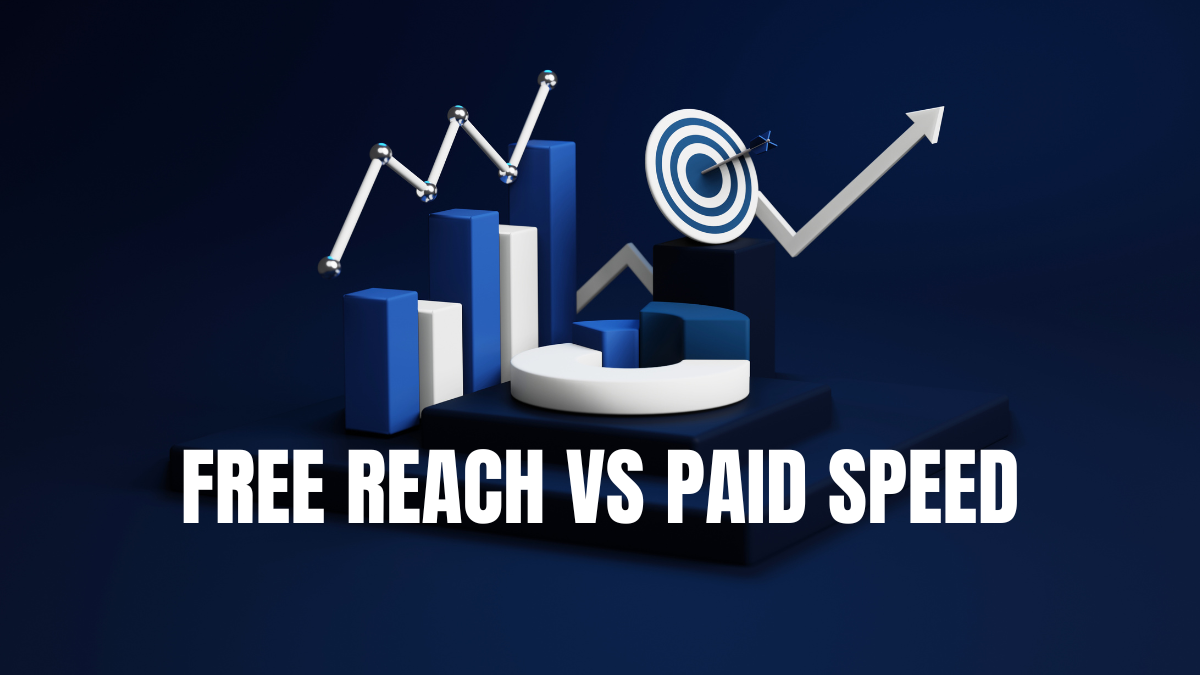
If you’ve spent any time trying to market your business online, you’ve probably heard these terms thrown around: organic marketing and paid ads. Maybe you’re wondering which one you should focus on, or whether you need both. Let me break it down.
Understanding the difference between these two approaches can completely change how you spend your time and money on marketing. So let’s dive in and look at what makes them different, when to use each one, and how they work together.
Organic marketing is exactly what it sounds like—it’s the marketing that happens naturally, without paying for placement or visibility. It’s the content you create and share that reaches people without you having to pay for each view or click.
Think of it like this: when you post something on your social media page and your followers see it in their feed, that’s organic. When you write a blog post that shows up in Google search results, that’s organic. When someone shares your content with their friends, that’s organic too.
Organic marketing includes things like social media posts, blog articles, SEO efforts, email newsletters to your subscriber list, YouTube videos, podcasts, and any other content you create that people find and engage with naturally.
Paid ads are pretty straightforward—you pay money to get your message in front of people. You’re essentially buying visibility and reach.
This includes Facebook ads, Instagram ads, Google ads, TikTok ads, LinkedIn ads, YouTube ads, and sponsored posts. You set a budget, create your ad, choose who should see it, and the platform shows it to those people. When your budget runs out, your ad stops running.
The key difference is right there in the name: you’re paying directly for every impression, click, or action your ad generates.
Here’s where organic and paid really diverge: time.
Organic marketing is a long game. You create content, share it, optimize it, and wait for it to gain traction. Building an audience organically takes months or even years. Your blog posts need time to rank in search engines. Your social media following grows slowly. But once you build that momentum, it keeps working for you.
Paid ads work immediately. The moment your ad goes live and your budget kicks in, people start seeing it. Need traffic today? Paid ads can do that. Need sales this week? Paid ads can help. There’s no waiting period—just instant results.
But here’s the catch: the second you stop paying, the results stop too.
Organic marketing seems free, right? Well, yes and no. You’re not paying for ad space, but you are paying with your time and effort. Creating quality content takes hours. Learning SEO takes time. Building a social media presence requires consistent effort.
If you’re doing it yourself, that’s time you could spend on other parts of your business. If you hire someone, you’re paying for their expertise and time. So organic isn’t really free—it just costs differently.
Paid ads cost actual money, and it can add up fast. Depending on your industry and competition, clicks can cost anywhere from a few cents to several dollars each. You need a real budget to make paid ads work, and you need to keep spending to keep seeing results.
However, paid ads are predictable. You can calculate how much you need to spend to get the results you want. Organic marketing doesn’t give you that kind of certainty.
With organic marketing, your reach starts small and grows over time. You’re limited to your current followers, your email list, and whoever happens to find your content through search or shares. It’s harder to reach new audiences, but the people who do find you are often more engaged because they sought you out.
Paid ads let you reach exactly who you want, whenever you want. Want to target women aged 25-40 who live in Chicago and are interested in yoga? Done. Want to reach people who visited your website but didn’t buy? Easy. The targeting options are incredibly specific.
You’re also not limited by your current audience size. Even if you have zero followers, paid ads can put your brand in front of thousands of people immediately.
Here’s something interesting: people trust organic content more than ads. We all know when we’re looking at an ad, and there’s an automatic skepticism that comes with that. “They’re just trying to sell me something,” we think.
Organic content feels more genuine. When someone finds your blog post through Google, reads it, and finds it helpful, they trust you more. When they follow your social media page and engage with your content over time, a real relationship builds.
That trust is hard to put a price on. It’s why organic marketing, despite taking longer, often creates more loyal customers in the long run.
Create a great blog post with good SEO, and it can bring you traffic for years. Post something valuable on social media, and it might get shared and reshared for months. That’s the beauty of organic marketing—your efforts compound over time.
Paid ads have zero longevity. Once the campaign ends, it’s over. All those people who saw your ad? They won’t see it again unless you pay for another campaign. You’re constantly starting from scratch.
However, the flip side is that paid ads let you test and adjust quickly. If an ad isn’t working, you can pause it and try something new. Organic content takes longer to show results, so you can’t pivot as quickly.
With paid ads, you have a lot of control. You decide when your ads run, who sees them, what your budget is, and what message you’re sending. You can turn them on and off like a faucet.
Organic marketing gives you less control. You can’t control if your blog post ranks on Google or if your social media post goes viral. The algorithms decide what gets shown to whom. You can optimize and do your best, but ultimately, the platforms control your organic reach.
This is frustrating, especially as social media platforms have decreased organic reach over the years to push businesses toward paid ads. A post that might have reached 30% of your followers a few years ago might only reach 5% today.
Organic marketing requires a diverse skill set. You need to understand content creation, SEO, social media algorithms, copywriting, and analytics. It takes time to learn all of this, and the landscape is constantly changing.
Paid ads also have a learning curve, but it’s different. You need to understand ad platforms, targeting options, bidding strategies, and how to analyze ad performance. The good news is that ad platforms want you to succeed (so you’ll spend more money), so they provide lots of guides and support.
Both approaches require ongoing learning, but organic marketing tends to be more forgiving of mistakes, while paid ads can burn through your budget quickly if you don’t know what you’re doing.
Paid ads give you immediate, clear data. You can see exactly how many people saw your ad, clicked on it, and converted. You can test different versions of your ad and know within days which performs better.
Organic marketing data is murkier. It takes longer to gather enough information to draw conclusions. You might not know for months whether your SEO strategy is working or if your content is resonating with your audience.
Here’s the truth: the best approach is usually both.
Use organic marketing to build a foundation. Create valuable content, grow your audience, establish trust, and build something sustainable that doesn’t require constant spending.
Use paid ads to amplify your efforts, reach new audiences quickly, promote specific offers, and get faster results while your organic efforts are building momentum.
If you’re just starting out with a limited budget, focus on organic marketing. Yes, it takes longer, but it’s sustainable and builds real relationships with your audience.
If you need quick results or have a time-sensitive offer, paid ads are the way to go. They’re also great for scaling once you’ve figured out what works organically.
If you have the resources, do both. Use organic to build trust and community, and use paid ads to bring in new people and promote specific campaigns.
Organic marketing and paid ads aren’t competitors—they’re teammates. Each has strengths that complement the other’s weaknesses.
Organic marketing builds slowly but lasts. It creates genuine connections and costs less money (but more time). It’s the foundation of sustainable growth.
Paid ads work fast but stop when you stop paying. They give you control and immediate results but require ongoing investment. They’re the accelerator that speeds up your growth.
The businesses that grow fastest and strongest are the ones that understand how to use both strategically. They build organic audiences while using paid ads to reach new people. They create valuable content while promoting their best offers through targeted campaigns.
You don’t have to choose between organic marketing and paid ads. Figure out how each fits into your overall strategy, play to their individual strengths, and watch your business grow from both directions.
Let's Talk
Have questions about your digital strategy? Want to explore how we can help you grow? Let’s chat. No pressure, no hard sell, just honest conversation about your goals.
Your partner in social media, paid ads, and SEO strategies that fuel growth.
+8801712752556
info@flockflare.com
Mohammadpur-1207
© Copyright 2026 Flock Flare | All Rights Reserved.